
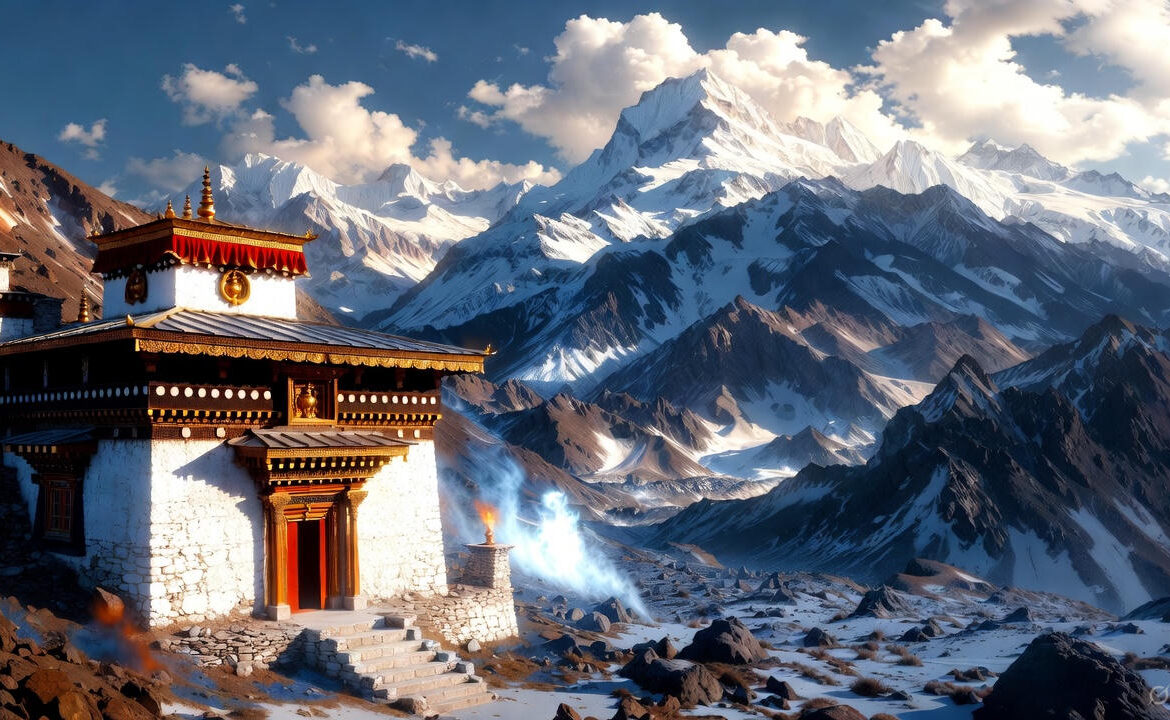
The Mystery of the Ever-Burning Flame: Seeking Salvation at Muktinath
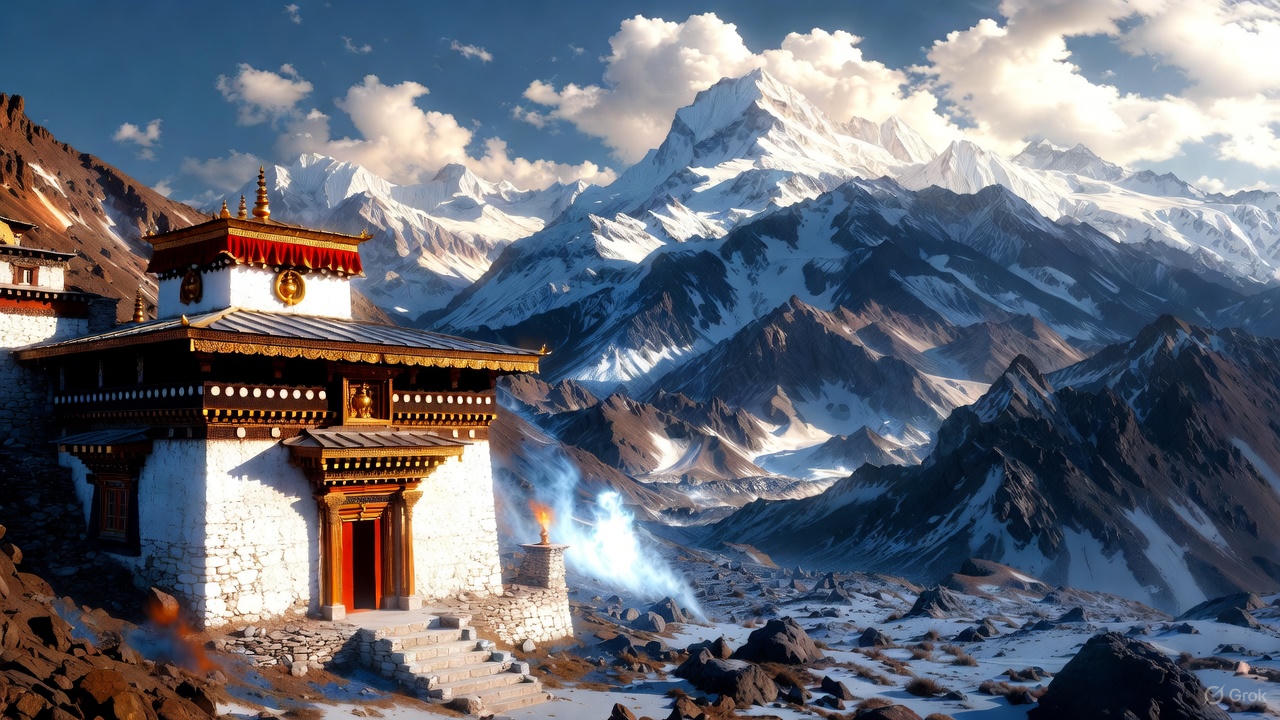
Part I: The Journey to the Roof of the Wind
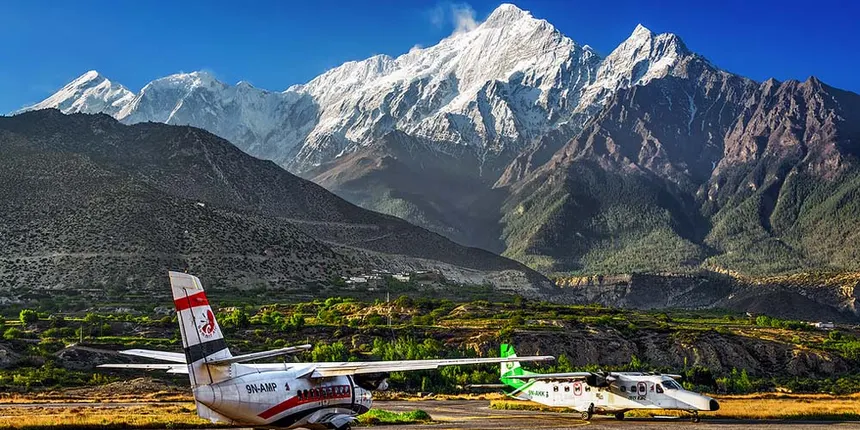
The flight from Pokhara to Jomsom is unlike any other. It’s a 25-minute scenic spectacle that trades lush, green hills for a harsh, wind-swept landscape, instantly dropping you into the Upper Mustang region of Nepal. As you land in Jomsom, the air is thin, the light is sharp, and the sense of remoteness is profound. This is the terrain where the air currents meet the giant Dhaulagiri and Annapurna massifs, creating an atmosphere that feels truly elemental.
But the real journey is yet to begin. From Jomsom, you travel further into this stark, awe-inspiring valley, heading toward the foot of the Thorong La mountain pass. Your goal: Muktinath Valley, home to a temple that has lured pilgrims, adventurers, and spiritual seekers for centuries.
Part II: Where Fire Meets Ice and Water
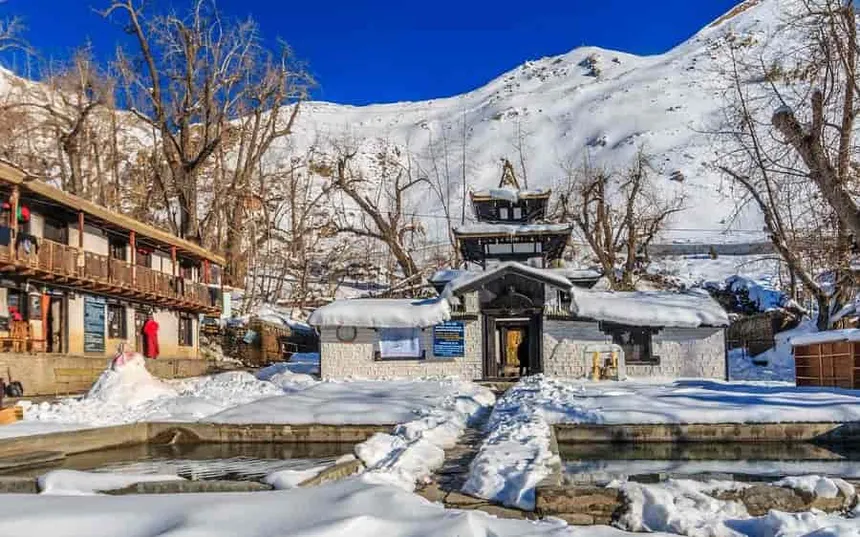
The Muktinath temple, or Muktidham, sits at one of the highest elevations in the world, a sacred structure devoted to Vishnu. Yet, it is the natural phenomena here—the mystery itself—that captures the soul.
Imagine: A small flame, powered by natural gas, burns continuously, seemingly impervious to the harsh climate. Beside it, water flows from a natural spring. In this remote Himalayan fastness, you find fire, water, earth, and sky all congregating in one sacred spot. The local legends say that the divine forces themselves consecrated this ground.
For Hindus, the temple is one of the 108 Divya Desams, and remarkably, the only one located outside the borders of India. It is the ultimate place of salvation, believed to grant liberation (Moksha) from the cycle of birth and rebirth.
Part III: The Rite of Liberation (and the 108 Spouts)
The ritual is as powerful as the location. After climbing approximately 300 steps to reach the main temple complex, pilgrims prepare for the holiest act: the bath.
Encircling the temple are 108 holy water spouts carved into the shape of bulls’ heads. Taking a holy bath under these icy spouts is a profound act of purification—a challenging yet rewarding experience that symbolizes cleansing one’s karmic baggage. Immediately afterward, devotees visit and pray at the Jwalamai temple and other surrounding shrines.
This ritual bath and visit to Muktinath (often called “Muktidham Darshan”) is the culmination of one of the Himalayas’ most spiritually significant journeys.
Part IV: A Meeting of Faiths
What makes Muktinath truly unique is its role as a spiritual crossroads. While dedicated to Vishnu, the temple and valley are equally sacred to Buddhists. Buddhists worship the deity as Avalokiteshvara, viewing the temple as a pivotal point for their traditions.
This coexistence—a Hindu Vishnu temple revered by Buddhists—highlights the deep, interwoven tapestry of Nepal’s culture. You don’t just witness a monument; you experience a living history of religious syncretism.
Ready to Seek Your Own Salvation?
The journey to Jomsom and Muktinath is a demanding yet eternally rewarding experience. Are you ready to witness the ever-burning flame, purify your soul beneath the 108 spouts, and stand at the foot of the Thorong La pass?
This incredible pilgrimage is included in our Mystical Nepal Trio Tour Package, alongside the cultural hubs of Kathmandu and the natural beauty of Pokhara.